NCLEX Blog / NCLEX Study Library / Body Systems & Clinical Content
Body Systems & Clinical Content
Content maps by system: cardiac, respiratory, neuro, endocrine, GI, renal and the priority action for each condition.
Articles

Chest Pain on the NCLEX: MI vs Angina vs Pericarditis vs PEThe four chest-pain emergencies the NCLEX compares, separated by onset, quality, position and the one finding …9 min read

Heart Failure Left vs Right: The Table That Settles Every QuestionLeft-sided heart failure backs up into the lungs, right-sided into the body. Learn the findings, the nursing a…7 min read

Shock Types Compared: Hypovolemic, Cardiogenic, Septic, NeurogenicThe master comparison table for every shock type, and the one finding — skin temperature — that separates them…9 min read
Diabetes Emergencies: DKA vs HHS, Step by StepDKA and HHS side by side — who gets which, the labs that separate them, and the treatment order including the …9 min read
COPD vs Asthma on the NCLEX (and Why Oxygen Orders Differ)Reversible or not, the oxygen target that differs, rescue versus maintenance inhalers, and the positioning and…8 min read

Coronary Artery Disease on the NCLEX: Angina to InfarctionRisk factors, the nitroglycerin rules, troponin timing, cardiac catheterisation care and the drug interaction …10 min read

Heart Failure Management: Drugs, Monitoring and TeachingThe medications that treat heart failure and why, digoxin toxicity, what daily weights really tell you, and th…10 min read

Chronic Disease Management: Hypertension, Diabetes, HyperlipidaemiaTargets, medications and teaching for the three conditions that travel together — plus the sick-day and hypogl…11 min read

Cardiac Map: Heart Failure, Heart Attack, and AnginaImportant: women, older adults, and people with diabetes often have atypical symptoms — fatigue, indigestion, …4 min read

Respiratory Map: COPD, Asthma, Pneumonia, PE, and Chest TubesWhat you see: barrel-shaped chest, breathing out through pursed lips, sitting forward on the hands (tripod pos…4 min read
Neuro Map: Stroke, Increased ICP, Seizures, and Spinal Cord InjuryIschemic — a clot blocks blood flow. Most strokes. Hemorrhagic — a vessel bleeds into the brain.…4 min read

Endocrine Map: DKA vs. HHS, Addison’s vs. Cushing’s, Thyroid EmergenciesEndocrine questions are mostly about telling two similar conditions apart. Here are the three pairs.…4 min read

GI and Liver Map: Cirrhosis, Pancreatitis, GI Bleeding, and Ostomies1. Esophageal varices. Swollen veins in the esophagus that can rupture and bleed massively.…4 min read
Kidney Map: Acute vs. Chronic Failure, Dialysis, and Fluid BalanceThe exam tests the direction of the risk: low output phase = fluid overload and high potassium. High output ph…4 min read
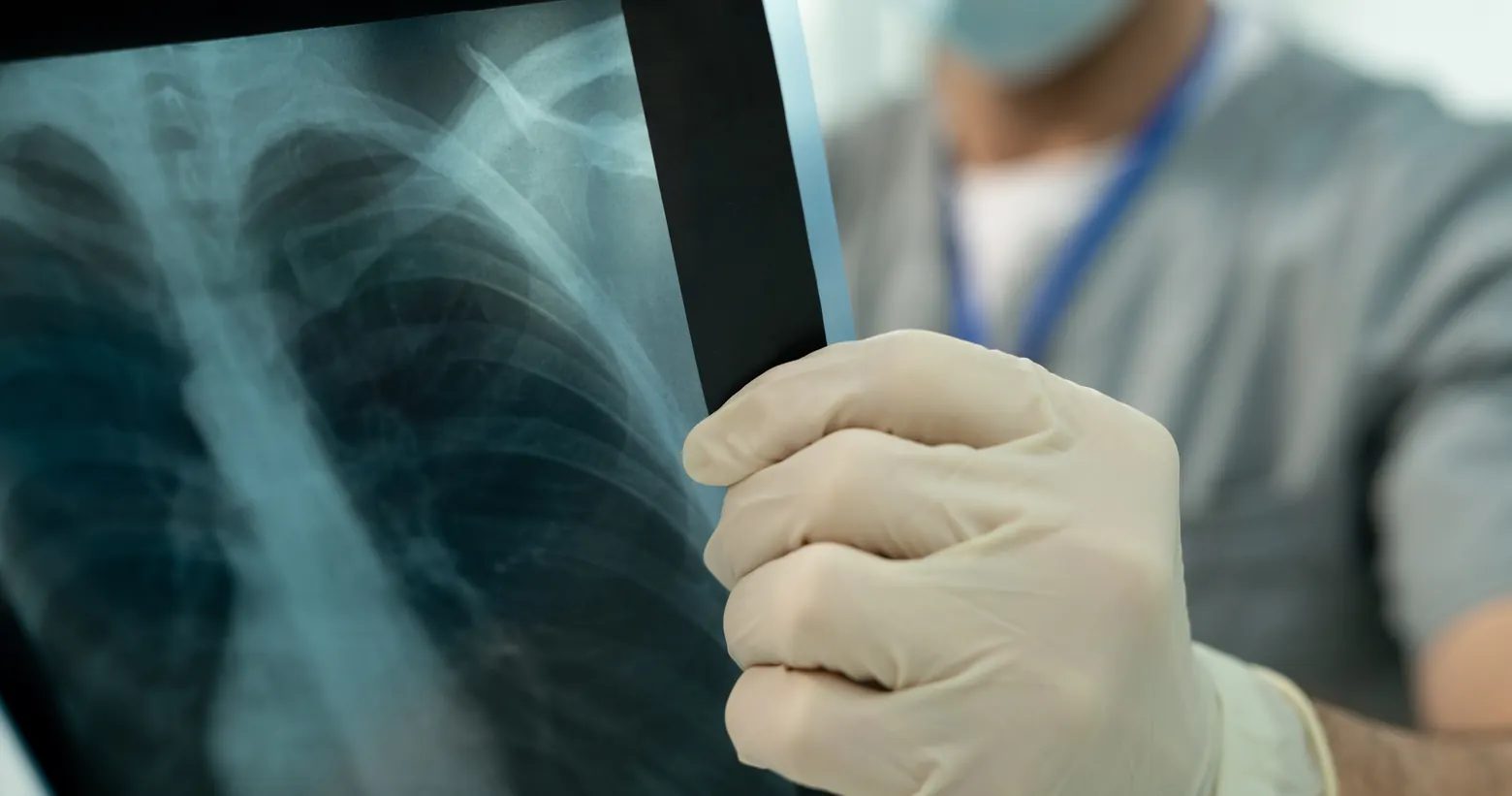
Bones and Muscles Map: Fractures, Casts, Traction, and Joint ReplacementWhat it is: swelling inside a closed space in the limb. Pressure builds, blood flow stops, tissue starts to di…4 min read

Cancer and Immunity Map: Neutropenia, Chemotherapy, and HIVWhy: chemotherapy destroys the bone marrow’s ability to make white blood cells. Without them, the client canno…4 min read

Positioning Cheat Sheet: The Right Position for 30 SituationsPositioning questions are free points if you learn the list. Most have one correct answer and a clear reason.…4 min read

Sepsis: Recognize the Pattern and Act FastSepsis is infection plus organ dysfunction — and it does not require a fever. The early pattern nurses catch f…5 min read
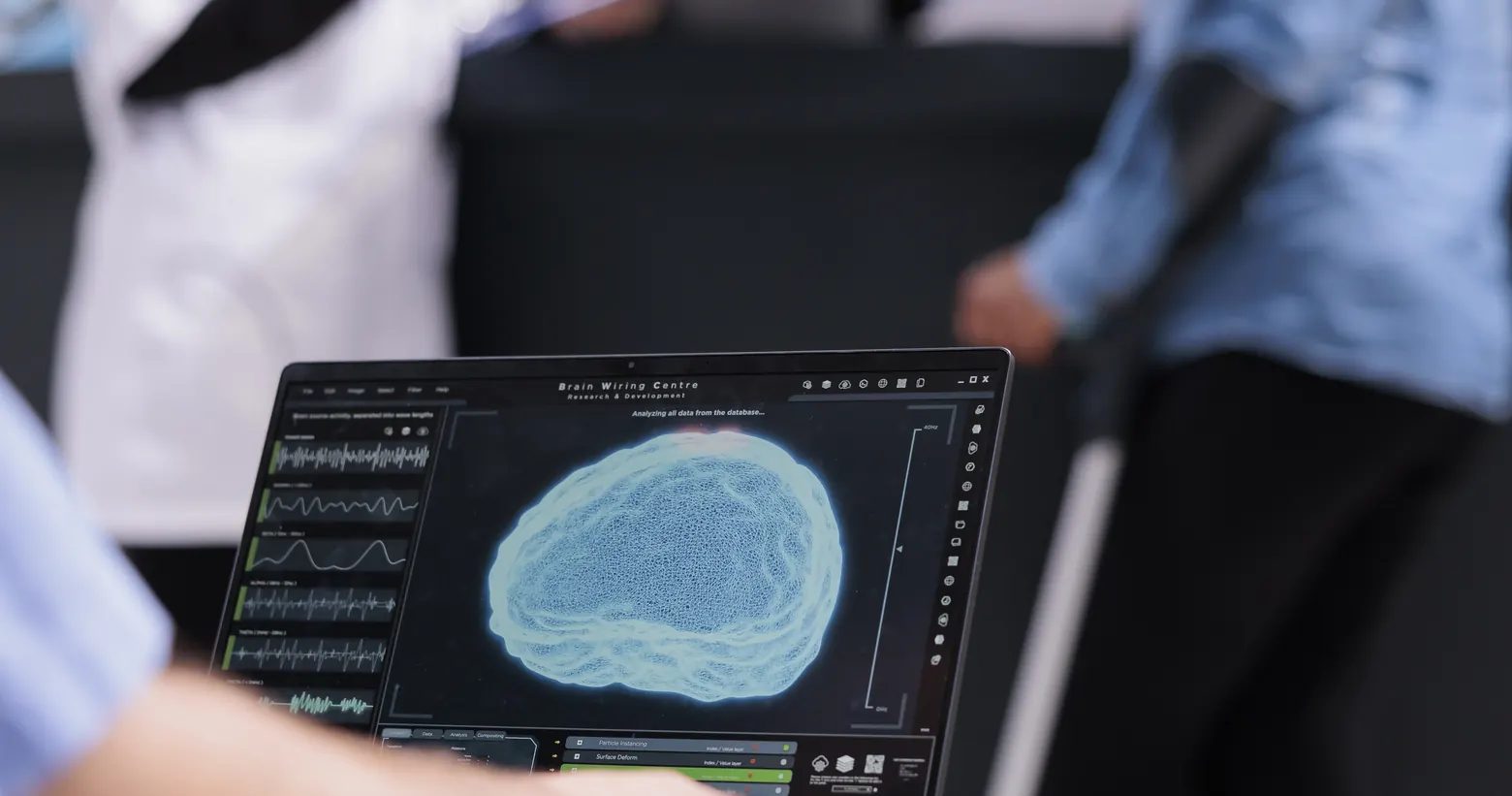
Stroke: Ischemic vs Hemorrhagic, tPA Windows and Nursing PrioritiesThe clot-versus-bleed distinction decides everything: why the CT scan comes before thrombolytics, the tPA wind…8 min read

Acute Kidney Injury: The Three Phases and What Changes in EachAKI on the NCLEX is a phase question, not a definition question. Oliguric, diuretic and recovery — where the d…8 min read

Blood Transfusion: The Nursing Steps and the Five ReactionsThe transfusion checklist and the five reactions the NCLEX tests — with the one action that answers almost eve…8 min read

Burns on the NCLEX: Airway First, the Rule of Nines, and the PhasesEvery burn question starts with the airway. The Rule of Nines, the three phases, and the potassium reversal th…6 min read

Chest Tubes: Drainage, Air Leaks and What You Never ClampWhich chamber bubbles normally, what continuous water-seal bubbling means, and the exact action for a disconne…7 min read

Enteral Feeding and TPN: Placement, Residuals and ComplicationsX-ray confirms a new feeding tube — never auscultation. Head of bed 30–45 degrees, high-residual reasoning, an…8 min read

Immobility and VTE: Prevent the Clot Before It TravelsVirchow's triad, the risk factors, and the active nursing that prevents VTE — plus the DVT-versus-PE distincti…5 min read
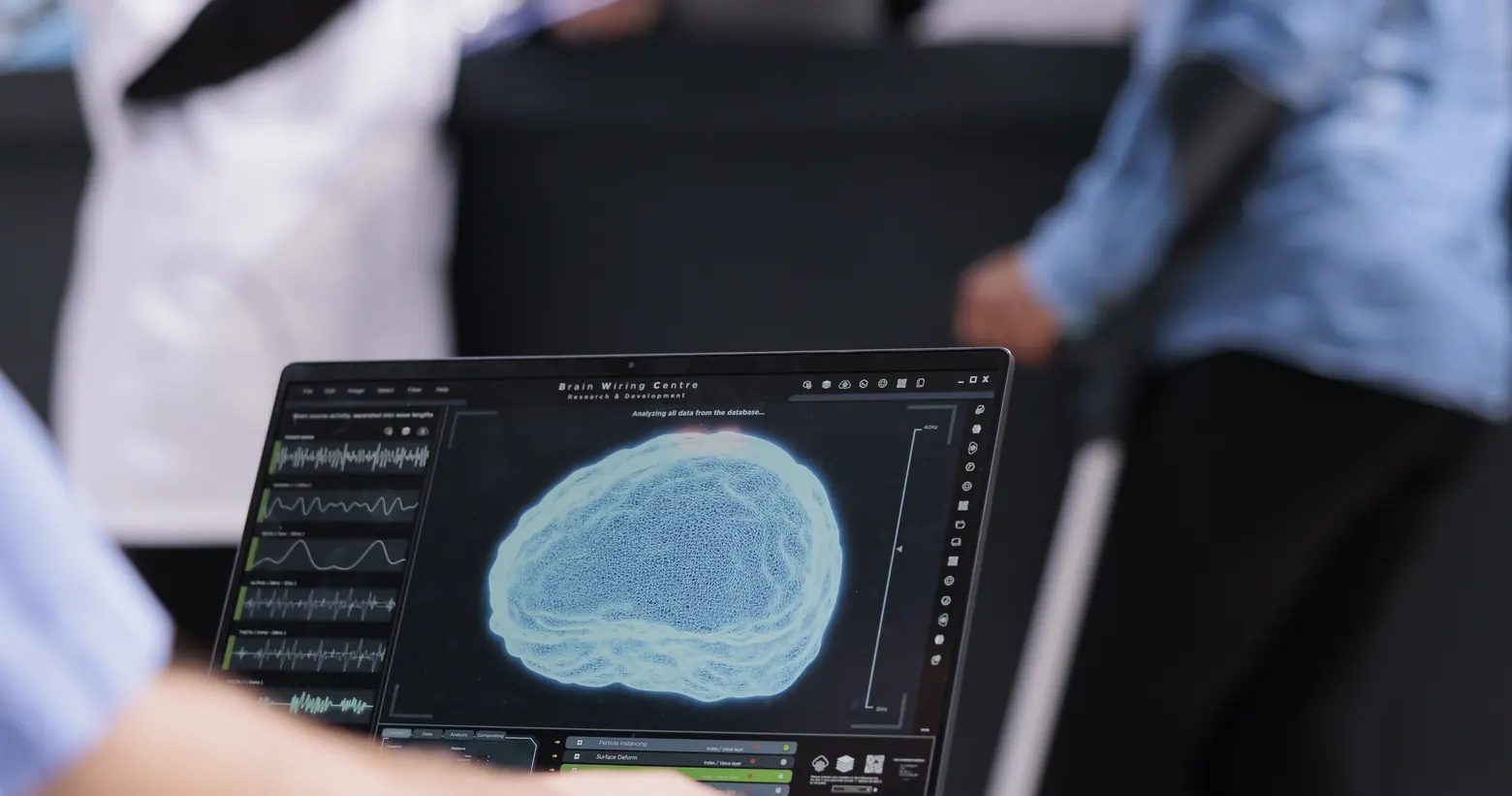
Increased Intracranial Pressure: Early Signs, Late Signs, PositioningA change in level of consciousness is the earliest sign of rising ICP; Cushing triad is the late one that mean…7 min read

Perioperative Nursing: Safety Across the Surgical JourneyContinuity of safety across three phases: verify identity, procedure, site and consent before; protect the pat…6 min read

Pressure Injury Staging and the Prevention That WorksStage by the deepest tissue you can see — and when you cannot see the base, it is unstageable. The full stagin…7 min read
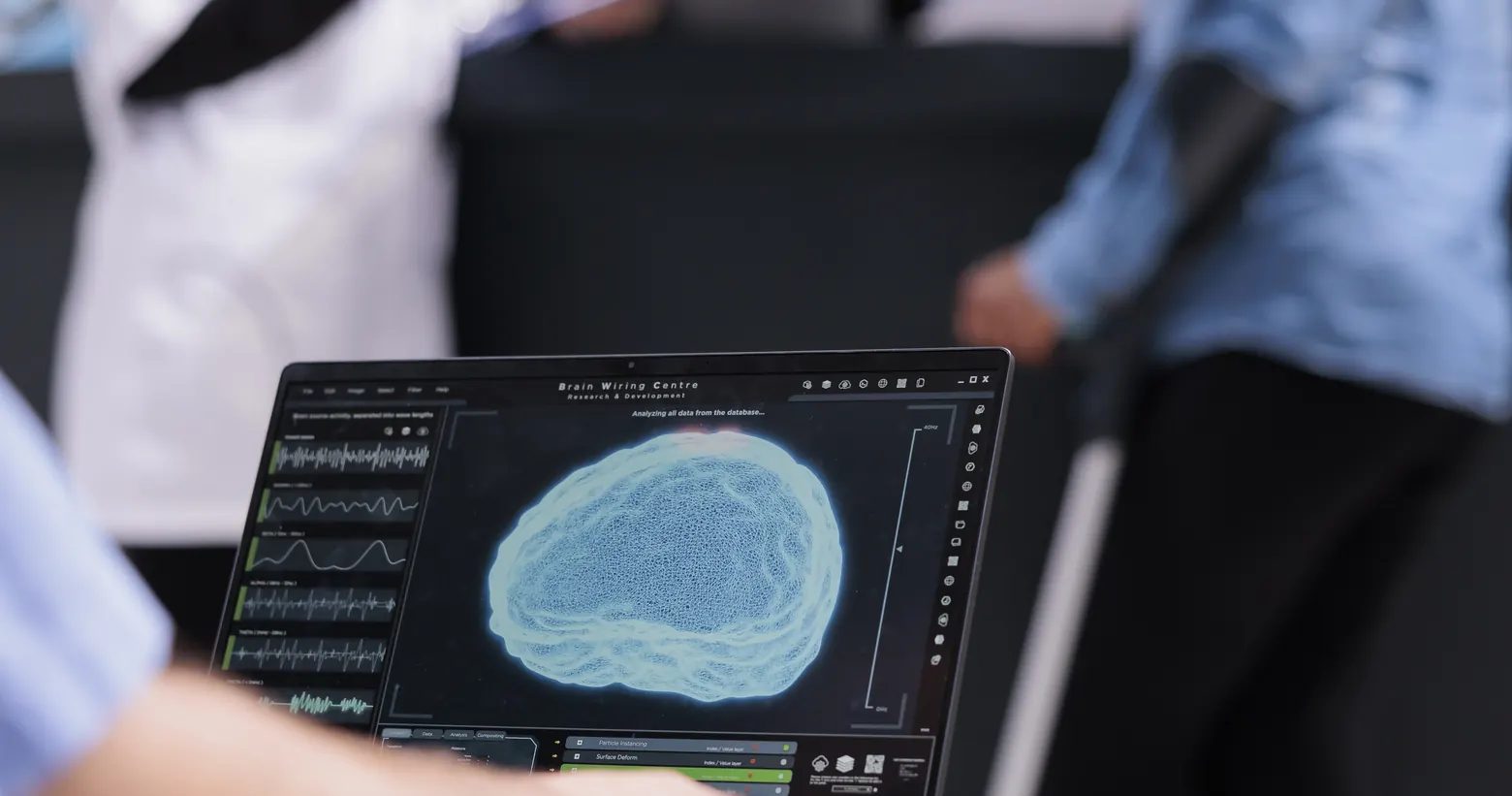
Seizure Precautions and Status Epilepticus: What Never to DoStay, protect the head, clear the area, turn side-lying — and never restrain, never put anything in the mouth,…7 min read

Thyroid Storm and Myxedema Coma: Two Emergencies, Opposite DirectionsHot, fast and agitated is thyroid storm; cold, slow and drowsy is myxedema coma. The side-by-side table, the t…7 min read

Tracheostomy Care and Suctioning: Steps and EmergenciesSuction only on the way out, under 10 seconds a pass, hyperoxygenate between. The suctioning steps, routine tr…7 min read