NCLEX Blog / NCLEX Study Library / Pharmacology
Pharmacology
Drug classes, suffixes, high-alert medications and dosage calculation: learn the families, not 500 names.
Articles
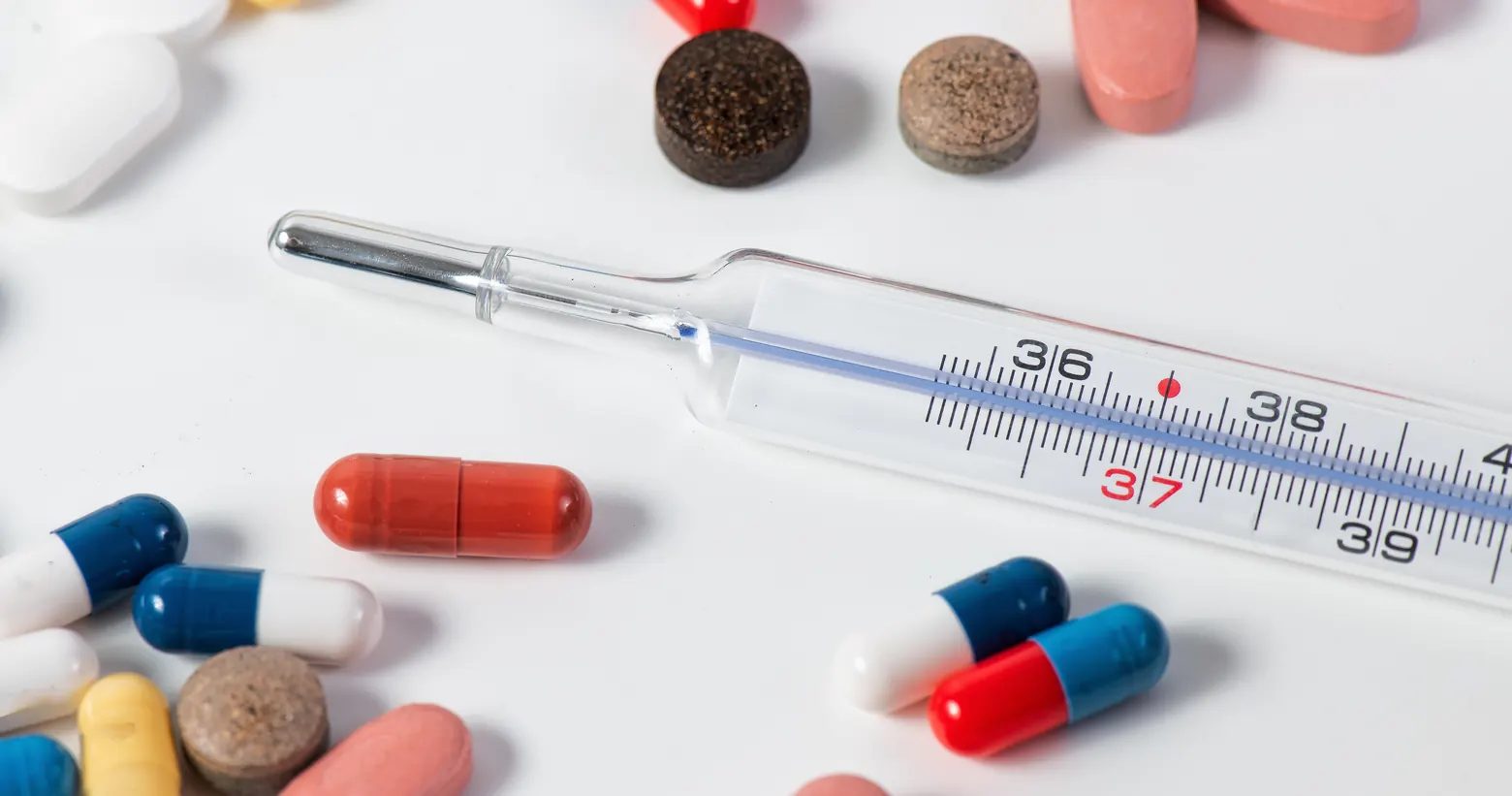
Top 200 NCLEX Medications Review: Learn 25 Families, Know 200 DrugsThe Top 200 NCLEX medications organized the smart way — by suffix family and drug class, with the high-alert c…15 min read

NCLEX Drug Suffixes: The Endings That Answer Questions For YouLearn the drug suffixes the NCLEX tests — -olol, -pril, -sartan, -statin, -azole and more — plus the one side …8 min read

Beta Blockers vs Calcium Channel Blockers on the NCLEXTwo drug classes that both lower blood pressure and heart rate — separated by mechanism, side effects, contrai…8 min read

Anticoagulants on the NCLEX: Heparin vs Warfarin vs DOACsWhich lab monitors which drug, both antidotes, the vitamin K teaching that students get backwards, and the pla…9 min read

High-Alert Medications: The Four That Hurt People MostSome drugs cause more serious harm than others when something goes wrong. These are called high-alert medicati…4 min read

Insulin: Types, Timing, and the Questions Built On ThemInsulin questions are almost always about timing. When does it start working? When does it peak? That is when …4 min read

Antibiotic Side Effects the NCLEX TestsYou do not need to know which antibiotic treats which bug. The exam mostly asks about side effects and nursing…4 min read

Psychiatric Medications: The Four EmergenciesCause: too much serotonin. Often when two serotonin drugs are combined — for example an SSRI plus another anti…4 min read
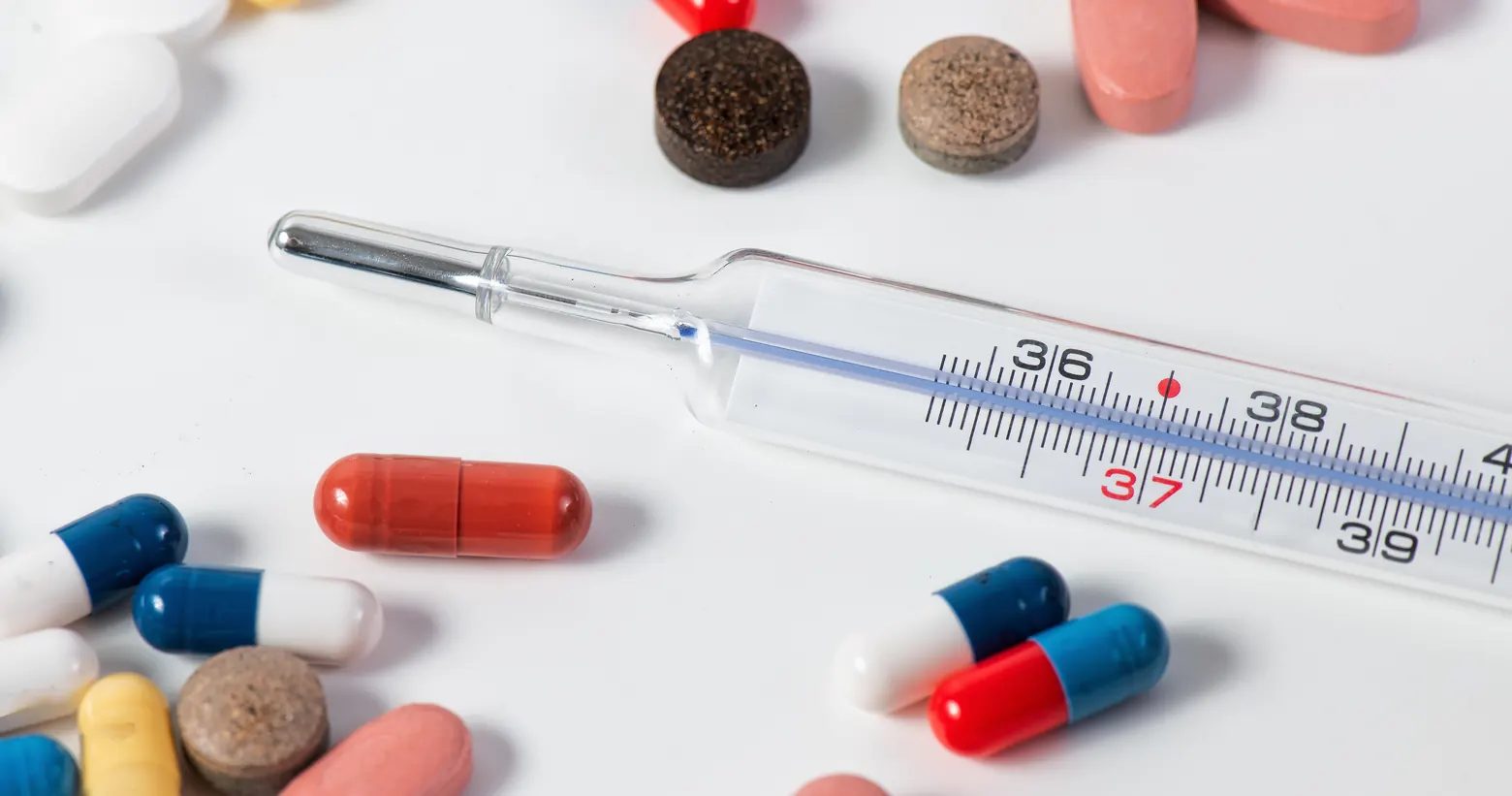
Antidotes and Reversal Agents: The Only List You NeedThis is one of the easiest ways to gain points. Antidote questions have one right answer and no reasoning requ…4 min read

Dosage Calculation Made Simple: One Method for EverythingUse one method for everything. It is called dimensional analysis, and it is just cancelling units.…4 min read

IV Rates, Drop Factors, and Titration ProblemsTitration means adjusting the rate to reach an effect — usually a target blood pressure or heart rate.…4 min read

Pediatric Dosing and Safe Dose Range QuestionsChildren are dosed by weight. That means every dose has to be checked, and the exam wants to see you check it.…4 min read
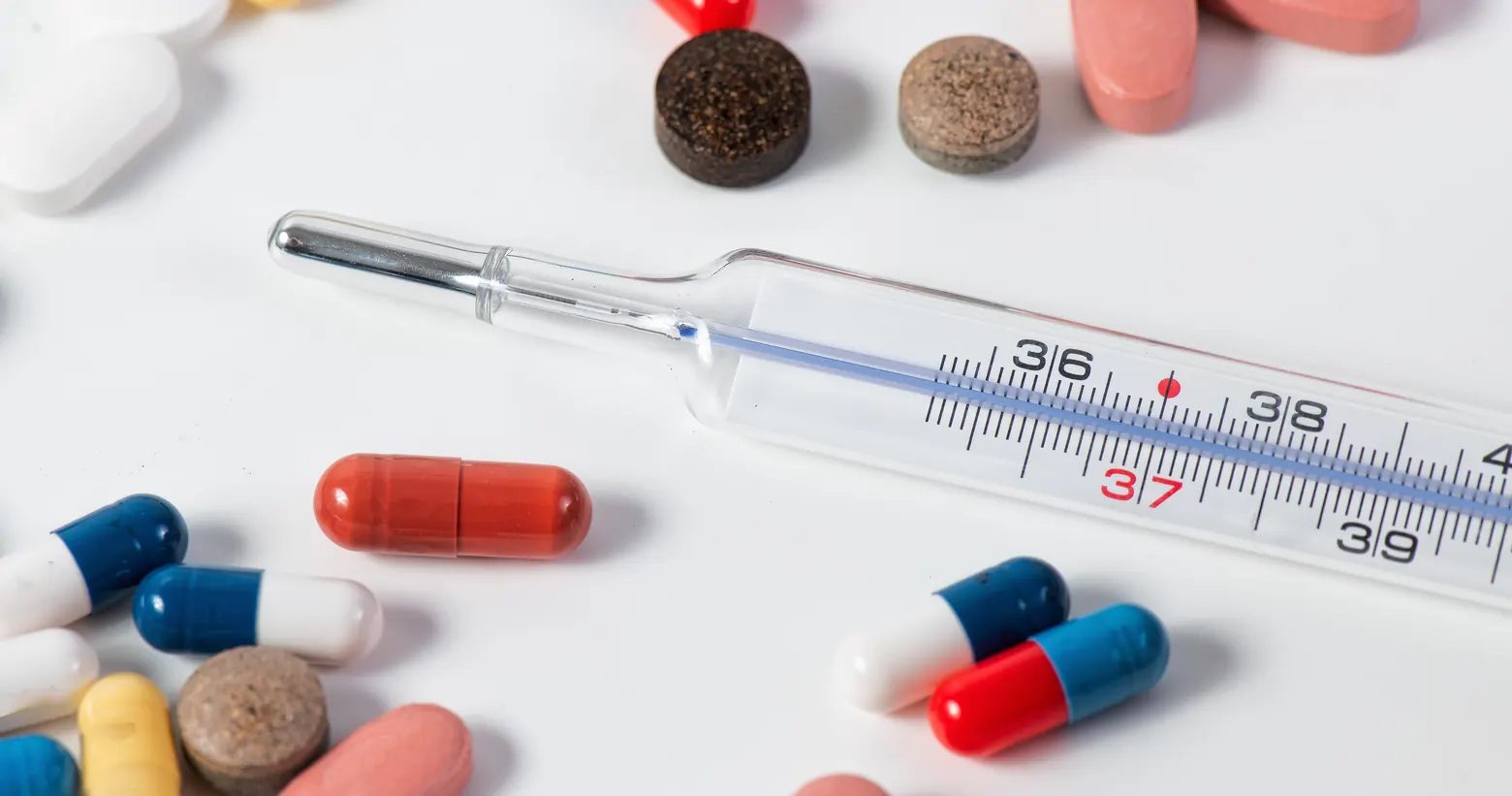
Medication Routes and the Errors the NCLEX TestsIf a client cannot swallow a pill that must not be crushed, do not crush it. Contact the prescriber for a diff…4 min read

Cardiac Drugs on the NCLEX: Digoxin, ACE Inhibitors and NitratesThree cardiac drug groups, three clear nursing rules: the apical pulse and potassium check for digoxin, the co…5 min read
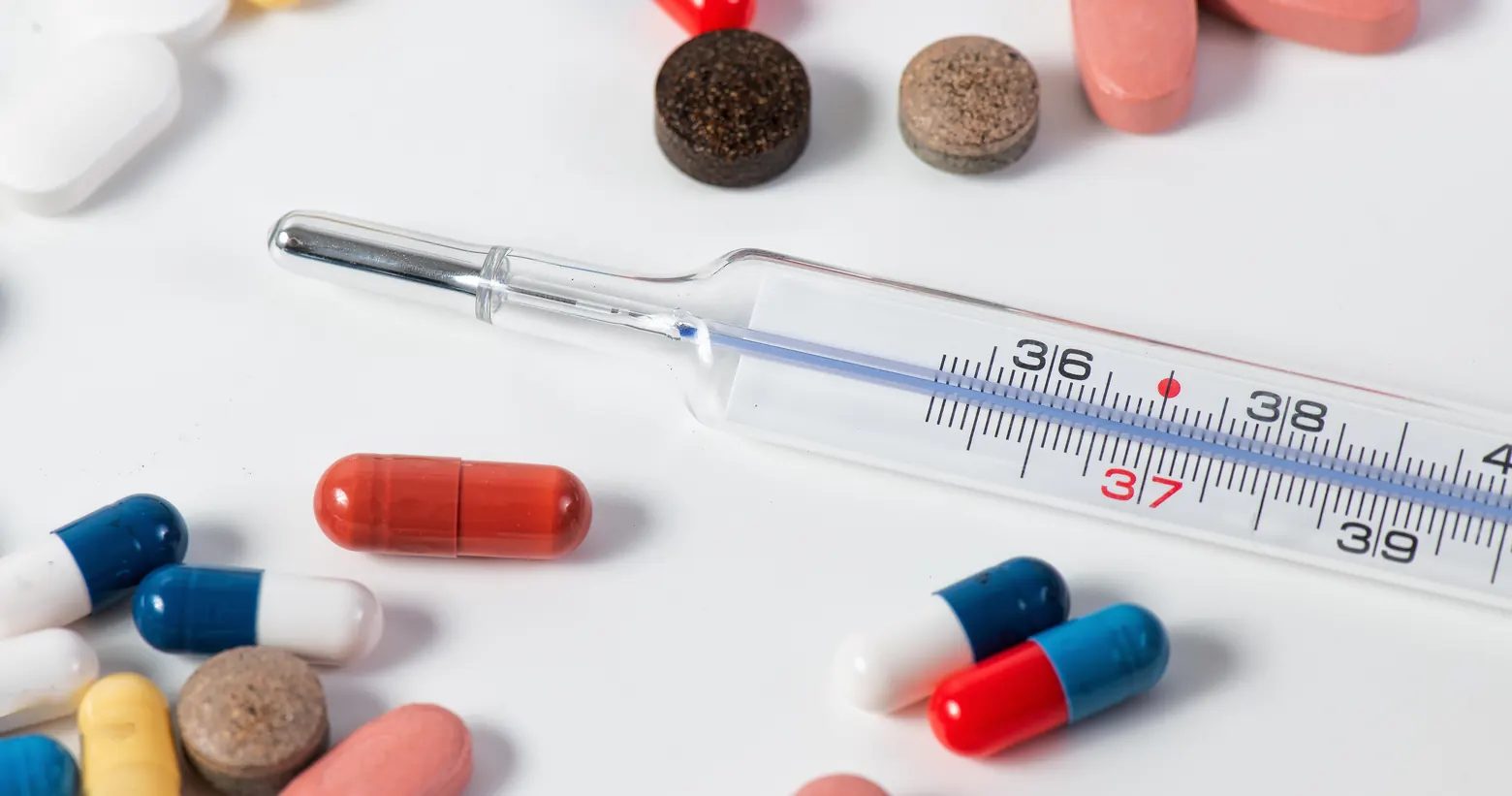
Pain Management and Naloxone: Relieve Pain, Protect BreathingThe most dangerous opioid effect is respiratory depression, and rising sedation comes first. When breathing is…5 min read