Top 200 NCLEX Medications Review: Learn 25 Families, Know 200 Drugs
You do not need to memorize 200 individual drugs: learn about 25 drug families by their mechanism, and the members inherit the same actions, side effects and nursing care. Master the high-alert families first: anticoagulants, insulin, opioids, digoxin, potassium and chemotherapy cause most of the harm the exam asks about.

The drug families the way the exam tests them: the class, what it does, and the one adverse effect to watch for each.
From the Intensive NCLEX Course. See the course; the full video library is part of Pro and Ultimate.
"Memorize the top 200 medications" is the worst advice in NCLEX prep — not because the list is wrong, but because nobody can hold 200 unrelated facts under exam pressure. Here is the secret the exam itself hands you: the NCLEX tests drug CLASSES, and drug names carry their class in the suffix. Learn ~25 families and you recognize the whole 200 — including drugs you've never seen before.
Step 1 — Let the suffix do the memorizing
Read the ending, name the family, and you instantly know the mechanism, the main side effect, and the assessment before giving it:
| Suffix | Family | Nurse thinking before you give it |
|---|---|---|
| -olol (metoprolol) | Beta blockers | Check HR & BP — hold if HR < 60; masks hypoglycemia in diabetics |
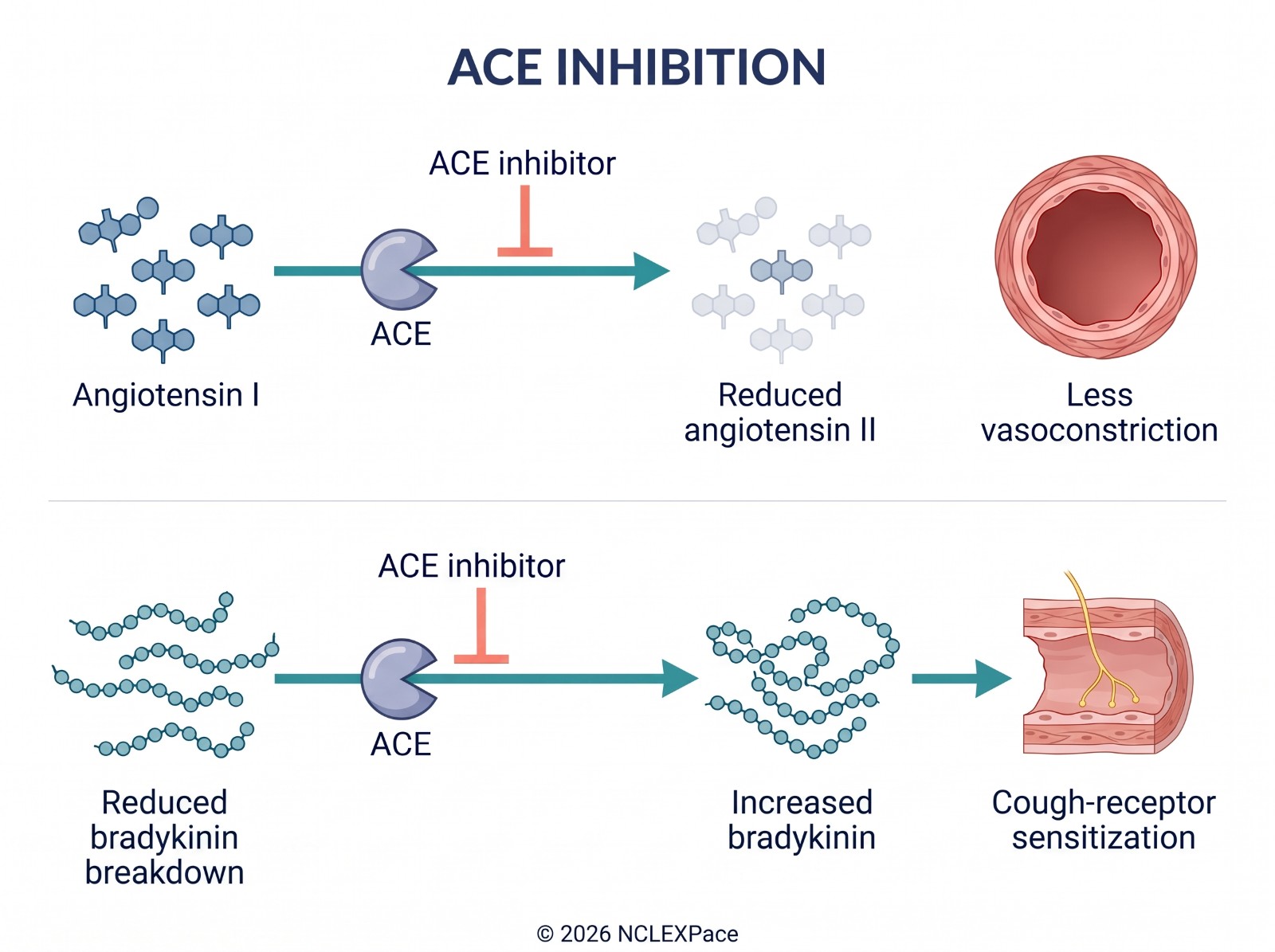
| -pril (lisinopril) | ACE inhibitors | Dry cough is expected; angioedema is an emergency; watch potassium ↑ |
| -sartan (losartan) | ARBs | The ACE story without the cough; same K⁺ caution |
| -dipine (amlodipine) | Calcium channel blockers | BP and ankle edema; grapefruit juice interaction |
| -statin (atorvastatin) | Antilipemics | Report muscle pain — rhabdomyolysis; give in the evening; monitor LFTs |
| -prazole (pantoprazole) | Proton pump inhibitors | Before meals; long-term → fracture and C. diff risk |
| -tidine (famotidine) | H2 blockers | Milder acid control; confusion risk in older adults |
| -cillin / -cef- / -floxacin / -mycin | Antibiotic families | Allergy history FIRST; -floxacin → tendon rupture; -mycin (aminoglycosides) → ears and kidneys |
| -azepam / -olam (lorazepam) | Benzodiazepines | Sedation and falls; antidote flumazenil; never stop abruptly |
| -pram / -oxetine (citalopram, fluoxetine) | SSRIs | 2–4 weeks to work; watch for serotonin syndrome with other serotonergics |
| -triptyline (amitriptyline) | Tricyclics | Anticholinergic effects; lethal in overdose — count the pills you dispense |
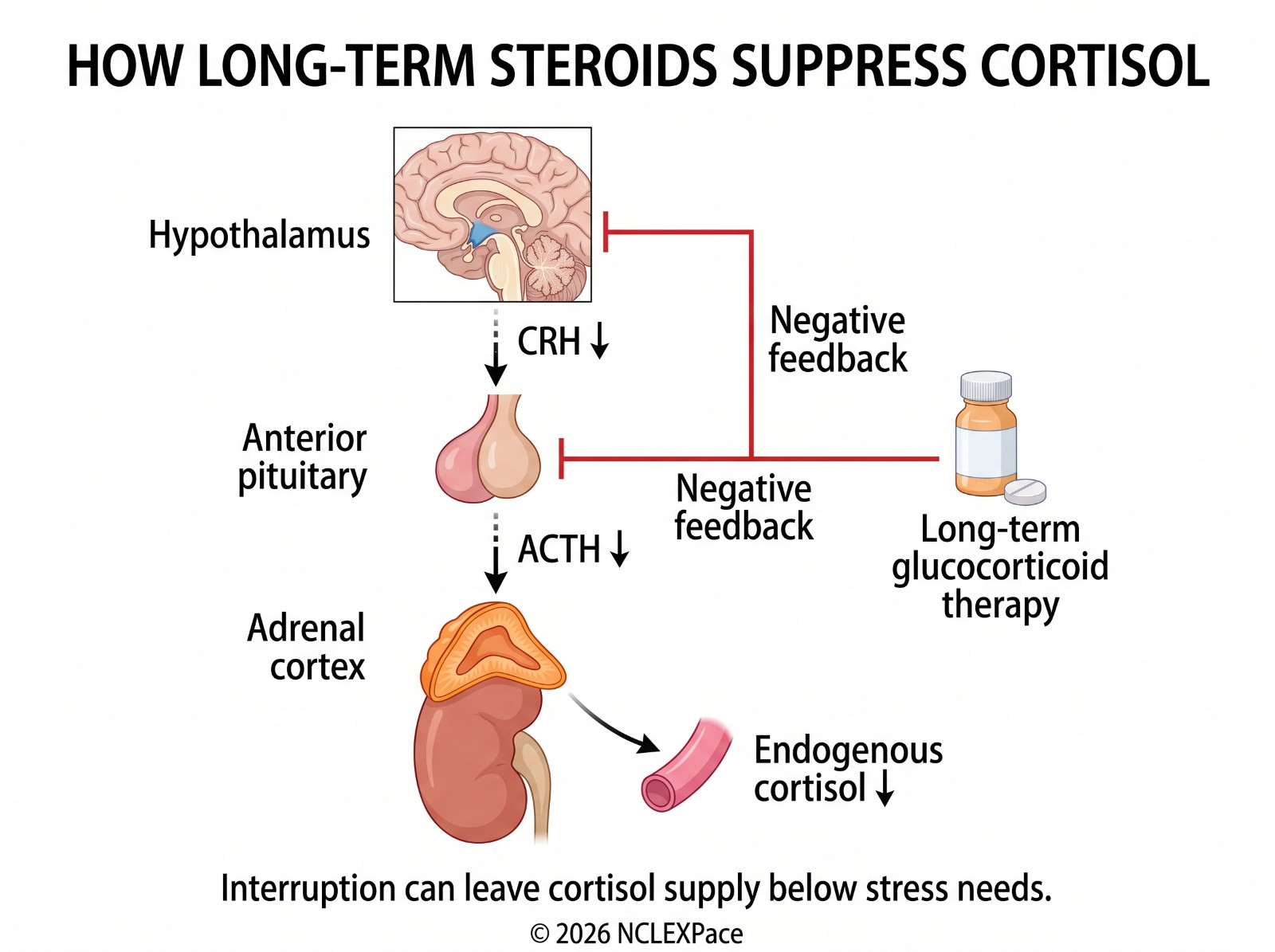
| -sone / -olone (prednisone) | Corticosteroids | Never stop abruptly; raises glucose; infection signs are masked |
| -zosin (tamsulosin) | Alpha blockers | First-dose orthostatic hypotension — give at bedtime |
| -gliptin / -formin | Oral antidiabetics | Metformin: hold for contrast dye (lactic acidosis + kidneys) |
| -parin (enoxaparin) | Heparins | Bleeding checks; aPTT for IV heparin; antidote protamine sulfate |
| -teplase / -ase (alteplase) | Thrombolytics | The bleed-risk screen IS the question: recent surgery, stroke type, BP |
| -setron (ondansetron) | Antiemetics | QT prolongation — check the cardiac history |
| -phylline (theophylline) | Bronchodilators | Narrow therapeutic range — toxicity = tachycardia, seizures |
Cardiovascular medications beyond the suffixes
| Drug | Class | Nurse thinking |
|---|---|---|
| Furosemide | Loop diuretic | Potassium WASTER — watch K⁺, daily weights; fast IV push → ototoxicity |
| Hydrochlorothiazide | Thiazide diuretic | Also loses K⁺; raises glucose and uric acid |
| Spironolactone | K⁺-SPARING diuretic | The opposite trap — no salt substitutes, watch for HYPERkalemia |
| Nitroglycerin | Nitrate | Up to 3 doses 5 min apart; burning under the tongue = it's working; NEVER with sildenafil-type drugs |
| Amiodarone | Antidysrhythmic | Long-term: lungs (fibrosis), thyroid, liver — baseline pulmonary tests |
| Atropine | Anticholinergic | The symptomatic-bradycardia rescue — dries everything else |
| Adenosine | Antidysrhythmic (SVT) | Push FAST with a flush; a moment of asystole on the monitor is expected |
| Clopidogrel / aspirin | Antiplatelets | Bleeding watch; hold per surgeon before procedures; aspirin never for children with viral illness (Reye's) |
Pain management medications
Pain questions are safety questions in disguise: respiratory rate before opioids, ceilings on acetaminophen, and who is allowed to press the PCA button.
| Drug | Class | Nurse thinking |
|---|---|---|
| Morphine | Opioid | RR before EVERY dose — hold if < 12; sedation comes before respiratory depression; antidote naloxone |
| Fentanyl | Opioid (potent) | Patches: 12–24 h to work, fold used patches closed, HEAT (fever, heating pads) speeds absorption dangerously |
| Hydromorphone | Opioid (high-alert) | Several times stronger than morphine — the classic mix-up question |
| Oxycodone / hydrocodone | Oral opioids | Often combined with acetaminophen — count BOTH toward the daily ceiling |
| Tramadol | Atypical opioid | Lowers seizure threshold; serotonin syndrome with SSRIs |
| Meperidine | Opioid (avoid) | Neurotoxic metabolite → seizures; avoid in older adults and renal disease |
| Acetaminophen | Non-opioid | Ceiling 4 g/day (less with liver disease or alcohol use); antidote acetylcysteine |
| Ibuprofen / naproxen | NSAIDs | GI bleeding (take with food, watch for black stools), kidneys, caution with anticoagulants |
| Ketorolac | IV NSAID | Maximum 5 days total — kidney and bleeding risk |
| Gabapentin / pregabalin | Adjuvants | Neuropathic pain; dizziness and drowsiness — fall precautions |
| Naloxone | Opioid antagonist | Wears off BEFORE many opioids do — the client can re-sedate; stay and reassess |
The PCA rule the exam loves: only the CLIENT presses the button. A family member "helping" is the wrong answer every time.
Antibiotics & anti-infectives
Two golden rules before any table: culture before the first dose, and finish the full course. Then know each family's signature danger:
| Family | Examples | Signature danger / rule |
|---|---|---|
| Penicillins (-cillin) | amoxicillin, piperacillin | Allergy history FIRST; observe after the first dose (anaphylaxis) |
| Cephalosporins (cef-) | ceftriaxone, cefazolin | Cross-allergy with penicillin; no alcohol with some members |
| Macrolides (-thromycin) | azithromycin, erythromycin | QT prolongation; GI upset — the penicillin-allergy alternative |
| Fluoroquinolones (-floxacin) | ciprofloxacin, levofloxacin | Tendon rupture (report tendon pain, stop activity); separate from antacids; sun sensitivity |
| Aminoglycosides (-mycin/-micin) | gentamicin, tobramycin | EARS and KIDNEYS — trough levels, creatinine, report tinnitus |
| Vancomycin | — | Infuse over ≥ 60 min (flushing reaction); troughs; nephrotoxic |
| Tetracyclines (-cycline) | doxycycline | Not in pregnancy or under 8 (teeth); no dairy/antacids; sunburn warning |
| Sulfonamides | trimethoprim-sulfamethoxazole | Sulfa allergy; push fluids (crystalluria); report ANY rash (Stevens-Johnson) |
| Metronidazole | — | ABSOLUTELY no alcohol during and 48–72 h after — violent reaction; metallic taste is expected |
| Clindamycin | — | Classic C. diff trigger — report watery diarrhea, don't just treat it |
| Nitrofurantoin | — | UTIs; brown-tinged urine is harmless — expected teaching |
| Linezolid | — | Serotonin syndrome when combined with SSRIs |
Endocrine & diabetes medications
| Drug | Class | Nurse thinking |
|---|---|---|
| Metformin | Biguanide | Hold for IV contrast dye and renal impairment (lactic acidosis); does not cause hypoglycemia alone |
| Glipizide / glyburide (-ide) | Sulfonylureas | CAN cause hypoglycemia — give with meals; caution with alcohol |
| Insulin (all types) | — | Know the peaks — hypoglycemia strikes at peak; clear before cloudy when mixing; only regular insulin goes IV |
| Methimazole / PTU | Antithyroid | Report sore throat or fever — agranulocytosis |
| Alendronate (-dronate) | Bisphosphonate | Empty stomach, full glass of water, UPRIGHT 30 minutes — esophagitis |
| Prednisone | Corticosteroid | Taper, never stop; raises glucose; take with food; infection signs masked |
Psychiatric medications beyond the suffixes
| Drug | Class | Nurse thinking |
|---|---|---|
| Haloperidol / risperidone / olanzapine | Antipsychotics | EPS (restlessness, rigidity); NMS = FEVER + rigidity + confusion — emergency; metabolic weight/glucose gain with atypicals |
| Clozapine | Atypical antipsychotic | Agranulocytosis — scheduled WBC monitoring is mandatory; report sore throat |
| Phenelzine | MAOI | Tyramine foods (aged cheese, cured meat, wine) → hypertensive crisis; 2-week washout around SSRIs |
| Buspirone | Anxiolytic | Non-sedating, non-addictive — but takes weeks; not a PRN drug |
| Donepezil | Cholinesterase inhibitor | Slows the heart — check pulse; GI upset common |
| Lithium | Mood stabilizer | See the high-alert table below — levels, sodium, hydration |
Together, the suffix families and these category tables cover the full top-200 list — every drug on it belongs to one of these families, and the family tells you how to nurse it.
The high-alert ten — give them their own drawer
A short list of drugs causes most exam (and real-world) harm. For each, know the ONE check that must happen before it's given and the finding that makes you hold it:
| Drug | Before you give it | Hold / act when |
|---|---|---|
| Digoxin | Apical pulse for a FULL minute; check K⁺ | HR < 60, nausea/visual changes (toxicity), K⁺ low — hypokalemia potentiates toxicity |
| Insulin | Current glucose; meal is actually coming | NPO client + regular schedule = clarify; know peaks — that's when hypoglycemia strikes |
| Warfarin | Today's INR | INR > 4 or bleeding — antidote vitamin K |
| IV Heparin | aPTT | aPTT > ~2.5× control or bleeding — antidote protamine |
| Potassium (IV) | Urine output; pump programmed | NEVER IV push — no exceptions, on any exam, ever |
| Magnesium sulfate | Deep-tendon reflexes, RR, urine output | Lost reflexes or RR < 12 — antidote calcium gluconate |
| Lithium | Level (0.6–1.2), sodium and hydration status | Tremor→vomiting→confusion = rising toxicity; low sodium raises lithium |
| Vancomycin | Trough level, creatinine | Infuse slowly — rapid infusion causes flushing reaction; kidneys and ears |
| Opioids | RR and sedation level | RR < 12 — antidote naloxone; sedation precedes respiratory depression |
| Levothyroxine | Morning, empty stomach, same time daily | Chest pain or racing heart in a new user — report |
How the exam asks medication questions
NCLEX pharmacology questions are rarely "what does this drug do?" They are nursing-judgment questions wearing a drug costume:
| How the exam asks it | What it's really testing |
|---|---|
| "Which finding requires immediate follow-up?" | Do you know the dangerous side effect of the class? |
| "Which statement shows teaching was effective?" | Do you know the one rule the client must live by (e.g., never stop steroids abruptly)? |
| "Which assessment before administering?" | The class's vital-sign or lab gate (HR for -olol, INR for warfarin) |
| "Which client should the nurse see first?" | Whose medication effect has become an emergency? |
So for every family, build the same four-line card: class → main danger → the check before giving → the teaching rule. That's the entire top 200, compressed into something a human brain can carry into an exam.
NCLEX tip: A side effect is almost always the mechanism, exaggerated. Beta blockers slow the heart — too much = bradycardia. Anticoagulants thin blood — too much = bleeding. When you forget a side effect, re-derive it from the mechanism instead of guessing.
5 NCLEX practice questions on this topic
The same questions, player and partial-credit scoring students use inside NCLEXPace: answer, submit, read the full rationale, then Next. Your score is waiting at the end. No account needed for these.
A free account opens 20 more questions, a case study, a video and a cheat sheet. The full bank has 3,200+ questions with rationales, by topic.
Practice more, free →Ready for the full bank? See NCLEXPace plans and prices: one payment for 1, 2, 3 or 6 months.
Frequently asked questions
Common follow-up questions on Pharmacology.
Which medications appear most often on the NCLEX?
The high-alert families: anticoagulants (heparin, warfarin), insulin, opioids, digoxin, potassium chloride, beta blockers, ACE inhibitors, diuretics, corticosteroids and antibiotics. These carry the greatest potential for harm, which is why the exam concentrates on them.
How do I study drugs efficiently for the NCLEX?
Group by family and learn one mechanism per group, then attach the shared side effects and the single nursing priority for that family. Learning 25 mechanisms covers far more exam content than memorizing 200 isolated drug names.
What are the antidotes I need to know?
Protamine sulfate for heparin, vitamin K for warfarin, naloxone for opioids, flumazenil for benzodiazepines, acetylcysteine for acetaminophen, digoxin immune Fab for digoxin, calcium gluconate for magnesium toxicity, and glucagon for beta blocker overdose or severe hypoglycaemia.
Do I need to know exact doses?
Rarely. The exam focuses on the nursing action: what to assess before giving, what to monitor after, what to teach, and when to hold the drug. Calculation items provide the figures you need rather than expecting recall of standard doses.
Sources and references
- Burchum JR, Rosenthal LD. Lehne's Pharmacology for Nursing Care. 11th ed. Elsevier; 2022.
- Institute for Safe Medication Practices. ISMP List of High-Alert Medications in Acute Care Settings. ISMP; 2024.
Reviewed by the NCLEXPace team, October 2026.
Keep reading

3,200+ NCLEX questions with think-like-a-nurse rationales, unfolding case studies and adaptive readiness exams. Start with free practice questions, then choose a plan when you are ready.
Create Free Account →