
Therapeutic Drug Levels: The Four You Must Know
Four narrow-range drugs need blood level monitoring on the exam: digoxin 0.5 to 2.0 ng/mL, lithium 0.6 to 1.2 mEq/L, phenytoin 10 to 20 mcg/mL, and vancomycin (trough commonly 10 to 20 mcg/mL). Learn each drug's signature toxicity (yellow-green halos for digoxin, tremor and vomiting for lithium, unsteady walking for phenytoin) and draw a trough right before the next dose.

High-alert medications, including the narrow-range drugs whose levels the exam asks you to interpret.
From the Intensive NCLEX Course. See the course; the full video library is part of Pro and Ultimate.
Some drugs have a narrow safety range. A little too much becomes toxic. These drugs need blood level monitoring, and the exam tests them.
The four main ones
| Drug | Therapeutic range | Toxic above |
|---|---|---|
| Digoxin | 0.5–2.0 ng/mL | About 2.0 |
| Lithium | 0.6–1.2 mEq/L | About 1.5 |
| Phenytoin | 10–20 mcg/mL | About 20 |
| Vancomycin (trough) | Commonly 10–20 mcg/mL | Varies by infection |
Ranges vary by source and facility. Some centers now dose vancomycin using a different method (AUC-based dosing) rather than trough targets alone.
Digoxin
Range: 0.5 to 2.0 ng/mL
Signs of toxicity:
- Nausea, vomiting, loss of appetite
- Visual changes — blurred vision, yellow or green halos around lights
- Confusion, especially in older adults
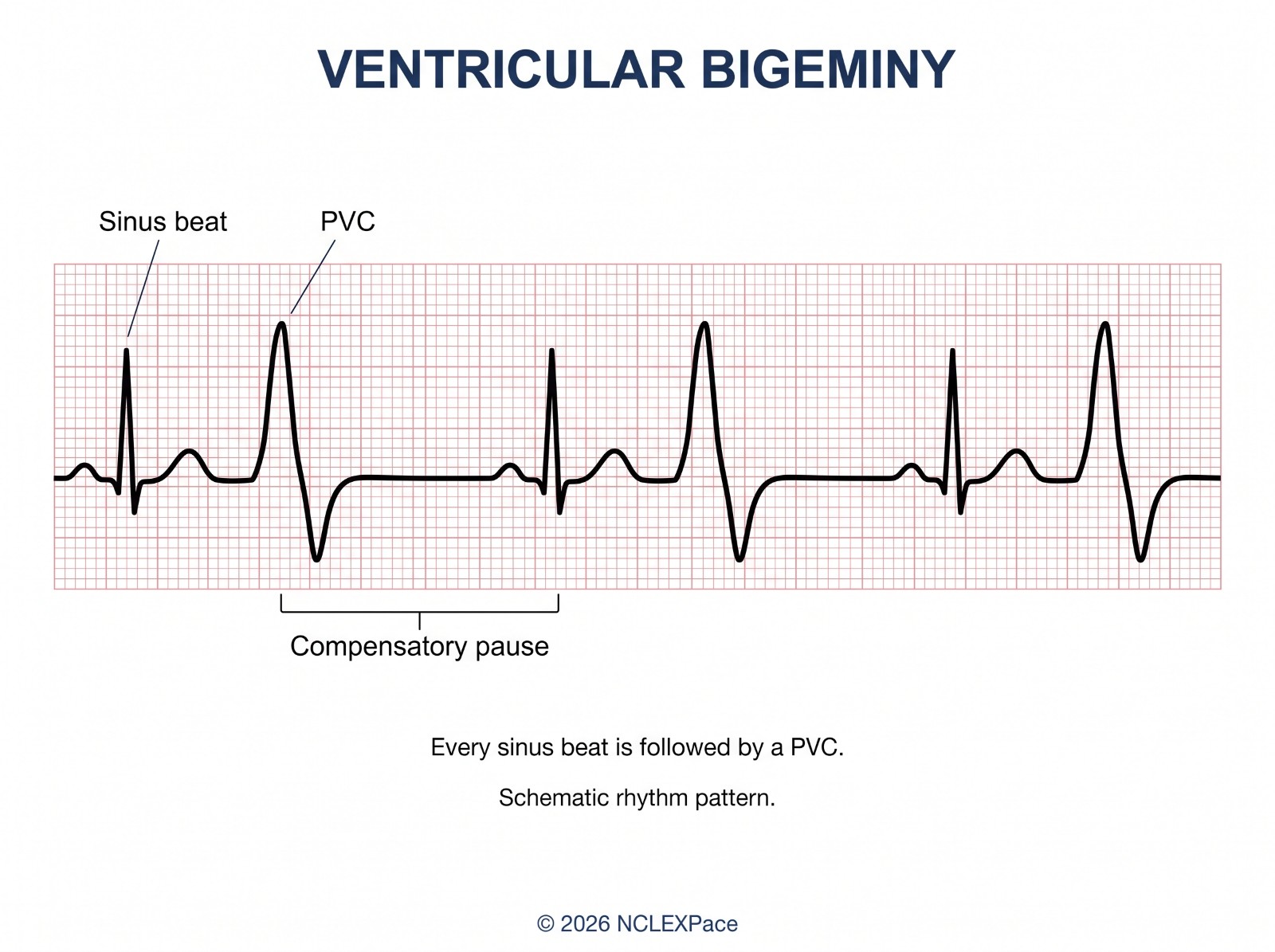
- Slow heart rate, irregular rhythm
The yellow-green halos are the classic exam clue.
What raises the risk:
- Low potassium — the most important one
- Kidney problems (digoxin is cleared by the kidneys)
- Older age
- Low magnesium
Nursing:
- Apical pulse for a full minute before every dose
- Hold if under 60 in an adult and notify the provider
- Check potassium
- Antidote: digoxin immune fab
Lithium
Range: 0.6 to 1.2 mEq/L
Early toxicity (about 1.5 to 2.0): nausea, vomiting, diarrhea, tremor, drowsiness, muscle weakness.
Severe toxicity (above 2.0): confusion, poor coordination, slurred speech, seizures, irregular heart rhythm, coma.
What raises the level — the key teaching:
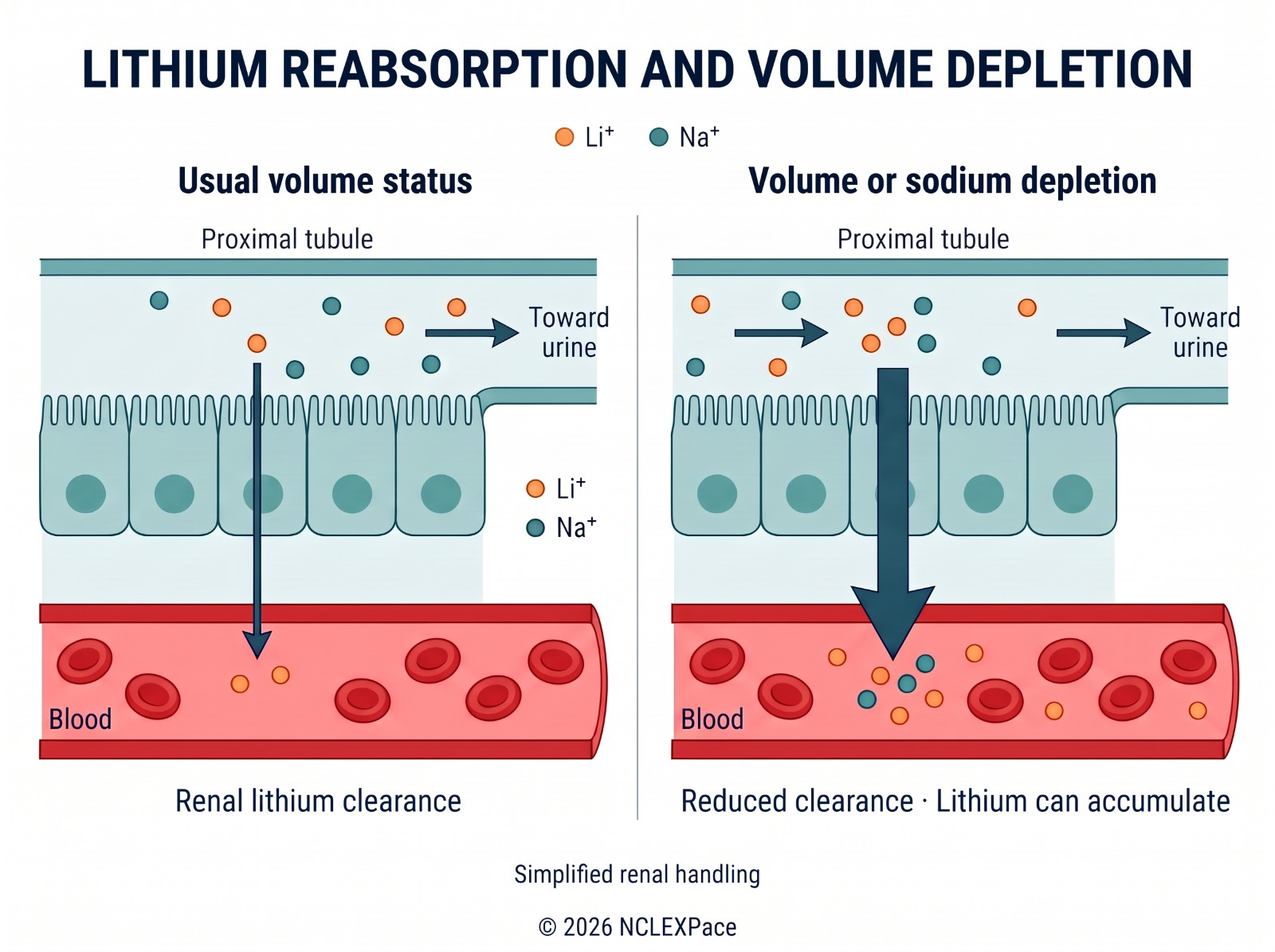
- Dehydration — vomiting, diarrhea, sweating, hot weather, exercise
- Low sodium intake — the body keeps lithium when sodium is low
- Diuretics, especially thiazides
- NSAIDs — ibuprofen and similar
- ACE inhibitors
Teaching:
- Drink plenty of fluids — usually 2 to 3 liters a day
- Keep salt intake consistent — do not start a low-salt diet
- Report vomiting, diarrhea, or heavy sweating
- Use acetaminophen instead of ibuprofen unless told otherwise
- Have levels checked regularly
Memory aid: lithium follows salt and water.
Phenytoin
Range: 10 to 20 mcg/mL
Used for seizures.
Signs of toxicity: unsteady walking, poor coordination, slurred speech, involuntary eye movements, confusion, drowsiness.
Teaching points that get tested:
- Gum overgrowth is common. Teach good oral hygiene and regular dental visits. This is expected, not an allergy.
- Do not stop suddenly — stopping can trigger seizures
- Many drug interactions
- Avoid alcohol
- Can make birth control pills less effective
- If given IV, it must be given slowly and mixed only with normal saline — it precipitates in dextrose
Vancomycin
Trough commonly 10 to 20 mcg/mL, though targets vary with the type and severity of infection, and some facilities now use a different dosing method.
Draw the trough right before the next dose. This is the most tested point.
Toxicity: kidney damage and hearing damage.
Nursing:
- Monitor kidney function
- Report any hearing change or ringing in the ears
- Infuse slowly — a fast infusion causes flushing and redness of the face and upper body (see Article 60)
Peak and trough
You will see this with vancomycin and aminoglycosides.
Trough = the LOWEST level. Drawn right before the next dose. Shows whether the drug is clearing properly. This is the more commonly tested one.
Peak = the HIGHEST level. Drawn a set time after the dose finishes, per protocol. Shows whether the dose is high enough to work.
Memory aid: trough is the low point, so you draw it at the lowest moment — just before the next dose.
Other drugs with levels
Worth recognizing, less heavily tested:
- Theophylline — about 10 to 20 mcg/mL. Toxicity: fast heart rate, restlessness, seizures.
- Carbamazepine — about 4 to 12 mcg/mL.
- Valproic acid — about 50 to 100 mcg/mL. Monitor liver function.
How the exam asks
Type 1: Is this level safe? Compare to the range and decide.
Type 2: What are the signs of toxicity? Learn the signature signs — halos for digoxin, tremor and vomiting for lithium, unsteady walking for phenytoin.
Type 3: What do you do about a high level? Hold the dose. Notify the provider. Monitor.
Type 4: What raises the level? Dehydration and low sodium for lithium. Low potassium for digoxin.
Type 5: When do you draw the level? Trough right before the next dose.
The short version
- Digoxin 0.5–2.0 → yellow-green halos → check potassium → apical pulse
- Lithium 0.6–1.2 → follows salt and water → no NSAIDs, stay hydrated
- Phenytoin 10–20 → gum overgrowth is expected → never stop suddenly
- Vancomycin trough 10–20 → draw right before the next dose → infuse slowly
- Trough = lowest = just before the next dose
Therapeutic ranges vary by source and facility, and dosing methods change. Check a current drug reference.
5 NCLEX practice questions on this topic
The same questions, player and partial-credit scoring students use inside NCLEXPace: answer, submit, read the full rationale, then Next. Your score is waiting at the end. No account needed for these.
A free account opens 20 more questions, a case study, a video and a cheat sheet. The full bank has 3,200+ questions with rationales, by topic.
Practice more, free →Ready for the full bank? See NCLEXPace plans and prices: one payment for 1, 2, 3 or 6 months.
Frequently asked questions
Common follow-up questions on Labs, Values & Diagnostics.
What are the four therapeutic drug levels to know?
Digoxin 0.5 to 2.0 ng/mL, lithium 0.6 to 1.2 mEq/L, phenytoin 10 to 20 mcg/mL, and vancomycin with a trough commonly 10 to 20 mcg/mL. Ranges vary by source and facility, and some centers now dose vancomycin using an AUC-based method rather than trough targets alone.
What raises digoxin toxicity risk?
Low potassium is the most important factor, along with kidney problems (digoxin is cleared by the kidneys), older age, and low magnesium. The classic exam clue for toxicity is yellow or green halos around lights. Take an apical pulse for a full minute before every dose, hold if under 60 in an adult and notify the provider, check potassium, and the antidote is digoxin immune fab.
What raises a lithium level?
Dehydration from vomiting, diarrhea, sweating, hot weather or exercise; low sodium intake, since the body keeps lithium when sodium is low; thiazide diuretics; NSAIDs like ibuprofen; and ACE inhibitors. Teach clients to drink 2 to 3 liters daily, keep salt intake consistent, use acetaminophen instead of ibuprofen unless told otherwise, and have levels checked regularly. The memory aid is that lithium follows salt and water.
What should clients know about phenytoin?
Gum overgrowth is common and expected, not an allergy, so teach good oral hygiene and regular dental visits. Do not stop suddenly, since stopping can trigger seizures; it has many drug interactions, can make birth control pills less effective, and if given IV it must be given slowly and mixed only with normal saline because it precipitates in dextrose.
What is a trough and when is it drawn?
The trough is the lowest drug level, drawn right before the next dose, and it shows whether the drug is clearing properly: the more commonly tested point, especially for vancomycin. The peak is the highest level, drawn a set time after the dose finishes, and it shows whether the dose is high enough to work.
Sources and references
- Pagana KD, Pagana TJ, Pagana TN. Mosby's Diagnostic and Laboratory Test Reference. 16th ed. Elsevier; 2023.
Reviewed by the NCLEXPace team, October 2026.
Keep reading


3,200+ NCLEX questions with think-like-a-nurse rationales, unfolding case studies and adaptive readiness exams. Start with free practice questions, then choose a plan when you are ready.
Create Free Account →