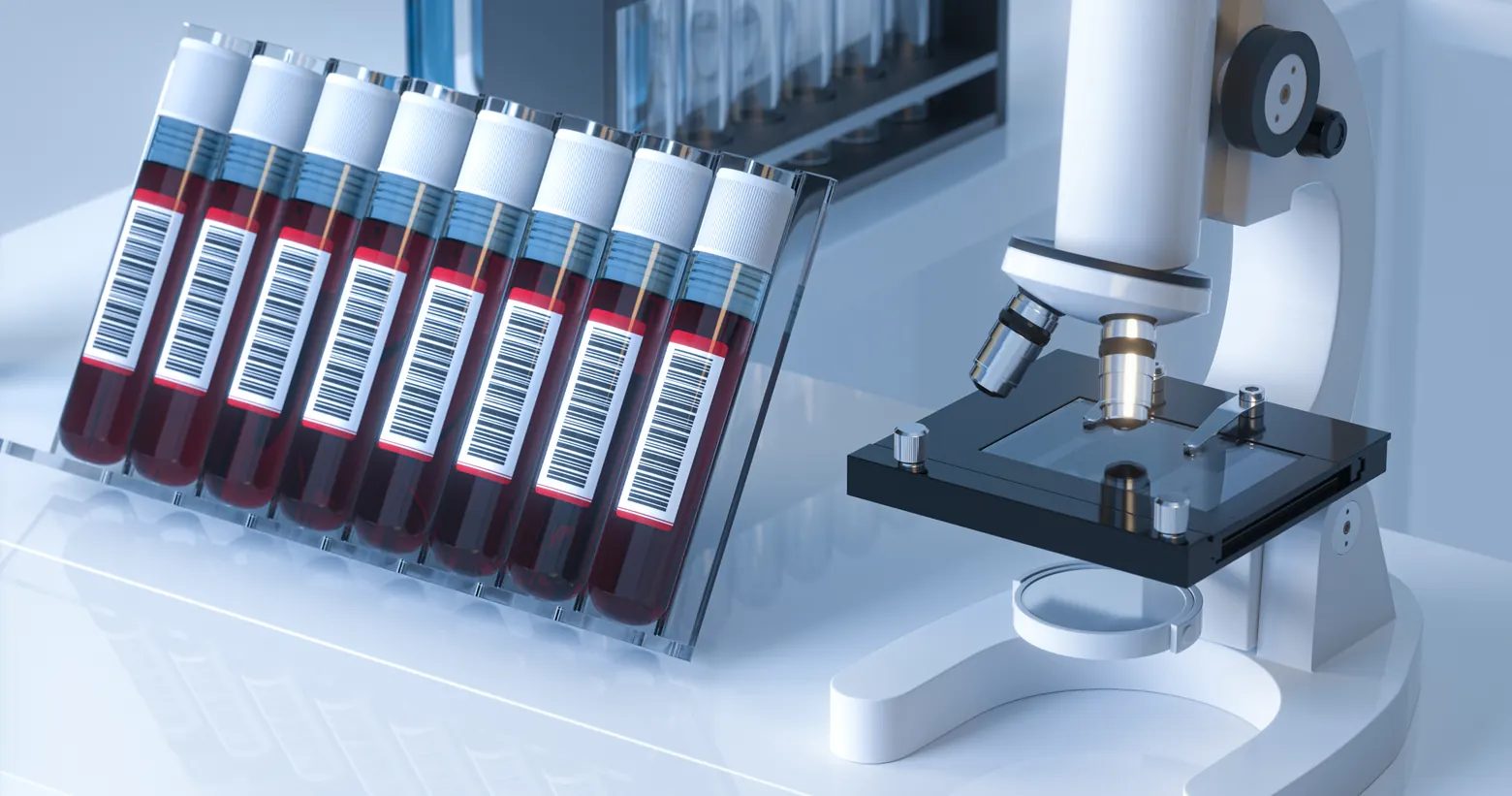
Nursing Care Before and After Common Procedures
Procedure questions follow a universal pattern: before almost any procedure you confirm consent, check allergies (especially iodine, shellfish, and contrast), verify NPO status, take baseline vital signs, review labs including clotting studies, and check kidney function before contrast; afterward you take vital signs at intervals, check the site, position as ordered, assess pain, and watch for the specific complication of that procedure. Learn the pattern first, then the positions: liver biopsy on the right side, flat after a lumbar puncture, NPO until the gag reflex returns after bronchoscopy or endoscopy, and leg straight with pulses checked after a groin cardiac catheterization.

Diagnostic procedures from the nurse's side: consent, preparation, positioning afterwards and the complications to watch.
From the Intensive NCLEX Course. See the course; the full video library is part of Pro and Ultimate.
Procedure questions follow a pattern. Once you see the pattern, you can answer questions about procedures you have never studied.
The universal pattern
Before almost any procedure:
- Consent — the provider explains, the nurse witnesses (see Article 51)
- Allergies — especially iodine, shellfish, and contrast dye
- NPO status if required
- Baseline vital signs
- Labs — especially clotting studies for anything invasive
- Remove metal and jewelry for imaging
- Empty the bladder
- Explain what to expect
- Check kidney function before contrast dye
- Hold certain medications as ordered — metformin before contrast, blood thinners before invasive procedures
After almost any procedure:
- Vital signs at set intervals
- Check the site — bleeding, swelling, drainage
- Position as ordered
- Assess pain
- Monitor for the specific complication of that procedure
- Push fluids after contrast, to flush the dye out through the kidneys
If you learn nothing else, learn that pattern. It answers a surprising number of questions.
Procedures with a specific position afterward
This is what the exam tests most. Learn these.
| Procedure | After it | Why |
|---|---|---|
| Liver biopsy | Right side-lying | Puts pressure on the site to stop bleeding |
| Lumbar puncture | Flat, usually several hours | Reduces headache from spinal fluid leak |
| Bronchoscopy | NPO until gag reflex returns | Throat was numbed — aspiration risk |
| Cardiac catheterization (groin) | Flat, leg straight, per order | Prevents bleeding from the artery |
| Thoracentesis | Sit upright during; monitor after | Watch for pneumothorax |
| Paracentesis | Monitor vital signs closely | Fluid removal can drop blood pressure |
| Upper endoscopy | NPO until gag reflex returns | Throat numbed |
| Colonoscopy | Monitor for bleeding and perforation | Watch for belly pain |
Liver biopsy
Before: check clotting studies. The liver makes clotting factors, so bleeding risk is high.
After: lie on the RIGHT side to apply pressure to the site. Bed rest. Monitor for bleeding — rising heart rate, falling blood pressure, belly pain, shoulder pain.
The main complication is bleeding.
Lumbar puncture
Before: position curled on the side, knees to chest, or sitting leaning forward. This opens the spaces between the vertebrae.
After: lie flat, usually for several hours. Push fluids.
The main complication is a headache from spinal fluid leaking. Lying flat and drinking fluids reduces it. Report a severe headache.
Bronchoscopy and upper endoscopy
Before: NPO. The throat is numbed.
After: NPO until the gag reflex returns. Check it before giving anything by mouth.
This is the most tested point for both procedures. If the gag reflex is absent, the client will aspirate.
Also watch for bleeding and breathing trouble after bronchoscopy.
Cardiac catheterization
Before: check allergies to iodine, shellfish, and contrast. Check kidney function. NPO. Mark the pulses in the feet so you can find them afterward.
After:
- Keep the leg straight and the client flat if the groin was used, per the order
- Check the site for bleeding or a swelling lump
- Check pulses, color, temperature, and sensation in that leg — a blocked artery is an emergency
- Push fluids to clear the dye
- Monitor for chest pain and rhythm changes
The two big complications: bleeding at the site, and loss of blood flow to the leg.
A client reporting numbness or coldness in that leg needs immediate assessment.
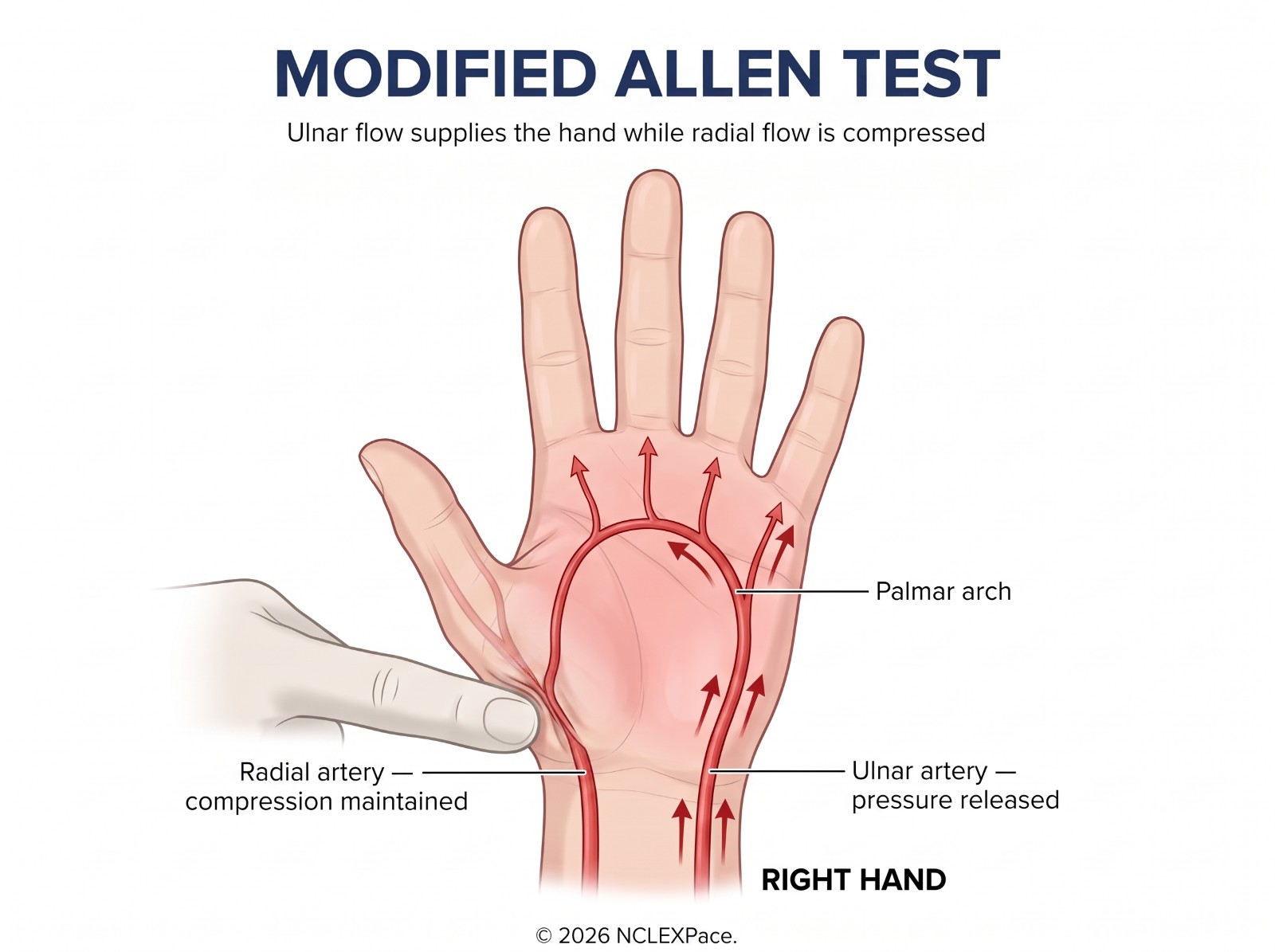
Thoracentesis and paracentesis
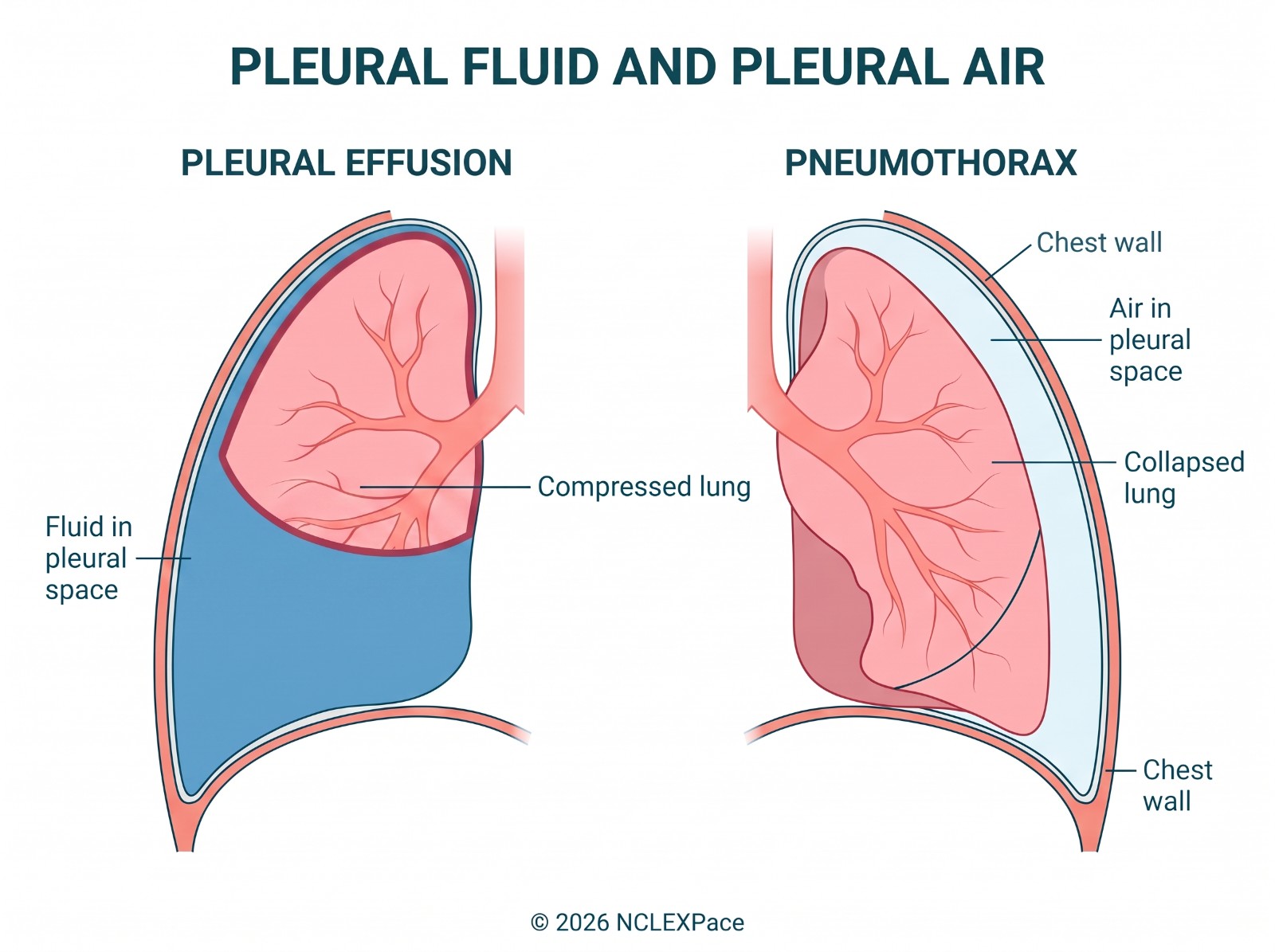
Thoracentesis — fluid removed from around the lung.
Position during: sitting up, leaning forward over a table. After: watch for pneumothorax — sudden shortness of breath, chest pain, decreased breath sounds on that side. A chest x-ray is usually done.
Paracentesis — fluid removed from the abdomen.
Before: have the client empty the bladder to avoid puncturing it. After: monitor vital signs. Removing a large amount of fluid can cause a sudden blood pressure drop. Measure abdominal girth and weight.
Contrast dye procedures
Includes CT with contrast, angiography, and cardiac catheterization.
Before:
- Ask about allergies to iodine, shellfish, and previous contrast reactions
- Check kidney function — contrast can damage the kidneys
- Hold metformin as ordered before and after — risk of a serious complication if the kidneys are affected
After:
- Push fluids to flush the dye
- Monitor urine output and kidney labs
- Watch for a delayed allergic reaction
MRI
The key point is metal.
Ask about: pacemakers, implanted devices, metal implants, metal fragments in the eye, and any metal in the body.
Remove all jewelry, watches, hearing aids, and clothing with metal.
Also ask about claustrophobia — the scanner is enclosed and loud.
The short version
Learn the pattern first: consent, allergies, NPO, baseline vitals, labs → afterward: vitals, check the site, position, watch for the specific complication.
Then learn the positions:
- Liver biopsy → right side
- Lumbar puncture → flat
- Bronchoscopy and endoscopy → NPO until gag reflex returns
- Cardiac catheter → leg straight, check the pulses
- Contrast → check kidneys and allergies, push fluids after
Procedure protocols and positioning orders vary by facility and provider. Follow the specific order.
5 NCLEX practice questions on this topic
The same questions, player and partial-credit scoring students use inside NCLEXPace: answer, submit, read the full rationale, then Next. Your score is waiting at the end. No account needed for these.
A free account opens 20 more questions, a case study, a video and a cheat sheet. The full bank has 3,200+ questions with rationales, by topic.
Practice more, free →Ready for the full bank? See NCLEXPace plans and prices: one payment for 1, 2, 3 or 6 months.
Frequently asked questions
Common follow-up questions on Labs, Values & Diagnostics.
What is the general pattern for procedure care?
Before almost any procedure: witness consent, check allergies, confirm NPO status if required, take baseline vital signs, review labs (especially clotting studies for invasive procedures), remove metal for imaging, empty the bladder, and check kidney function before contrast dye. After: take vital signs at set intervals, check the site for bleeding or drainage, position as ordered, assess pain, monitor for the specific complication, and push fluids after contrast. That pattern answers a surprising number of questions.
How do I position a client after a liver biopsy?
Lie the client on the right side to apply pressure to the site and stop bleeding, then keep them on bed rest. Check clotting studies before the biopsy, because the liver makes clotting factors and bleeding risk is high. Monitor for bleeding afterward: rising heart rate, falling blood pressure, belly pain, and shoulder pain.
Why is the gag reflex important after a bronchoscopy or endoscopy?
The throat is numbed for both procedures, so the client stays NPO until the gag reflex returns, and you must check it before giving anything by mouth. This is the most tested point for both procedures, because if the gag reflex is absent the client will aspirate. Also watch for bleeding and breathing trouble after a bronchoscopy.
What should I check before and after a cardiac catheterization?
Before: check allergies to iodine, shellfish, and contrast, verify kidney function, confirm NPO status, and mark the pulses in the feet so you can find them afterward. After: keep the leg straight and the client flat if the groin was used, check the site for bleeding or a swelling lump, check pulses, color, temperature, and sensation in that leg, push fluids to clear the dye, and monitor for chest pain and rhythm changes. Numbness or coldness in that leg needs immediate assessment.
What precautions apply to contrast dye procedures?
Before, ask about allergies to iodine, shellfish, and previous contrast reactions, check kidney function because contrast can damage the kidneys, and hold metformin as ordered before and after. Afterward, push fluids to flush the dye, monitor urine output and kidney labs, and watch for a delayed allergic reaction. Contrast procedures include CT with contrast, angiography, and cardiac catheterization.
Sources and references
- Pagana KD, Pagana TJ, Pagana TN. Mosby's Diagnostic and Laboratory Test Reference. 16th ed. Elsevier; 2023.
Reviewed by the NCLEXPace team, October 2026.
Keep reading
3,200+ NCLEX questions with think-like-a-nurse rationales, unfolding case studies and adaptive readiness exams. Start with free practice questions, then choose a plan when you are ready.
Create Free Account →